
(scroll down for English version)
Ljubiša Grlić jedan je od formalno najznačajnijih autora 1960-ih godina koji su djelovali na polju eksperimentalnog filma u Kinoklubu Zagreb (KKZ). Grlić je u tom periodu bio vrlo poznata i prisutna figura, aktivan sudionik Genre Film Festivala na kojem je prikazivao svoje filmove, i izuzetno važan član društvenog života KKZ-a. Grlić je bio i jedan od Majstora amaterskog filma Jugoslavije, a radi(lo) se o tituli koja se dodjeljivala amaterima s najviše osvojenih nagrada u krugovima festivala amaterskog filma. Po struci Grlić je bio farmaceut s međunarodnom karijerom. Kao stručnjak za opojne droge uspostavio je jedinstvenu metodu za utvrđivanje razlikovanja meksičkog od ostalih tipova opijuma, bavio se kromatografskom detekcijom tragova kanabisa, radio kao specijalni savjetnik za marihuanu u Zavodu za sudsku medicinu na Sveučilištu u New Yorku te kao stručni suradnik Laboratorija Ujedinjenih naroda za opojne droge u Ženevi, dok je u Zagrebu bio zaposlen u Leksikografskom zavodu "Miroslav Krleža". Grlić je kao filmski amater napravio 23 filma u razdoblju od 1958. do 1970. godine, a zanimljiv je i podatak da je Ljubiša Grlić stric hrvatskog redatelja Rajka Grlića, kojega je potaknuo na ulazak u svijet filma.
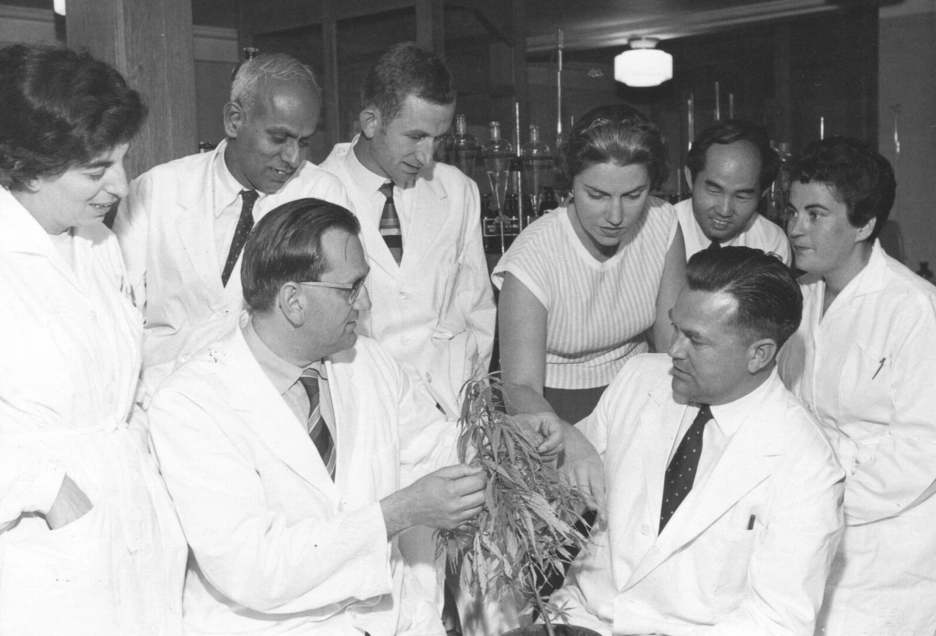
Ljubiša Grlić, sa stabljikom kanabisa u ruci, okružen kolegama u laboratoriju UNDOC-a, 1960. (izvor: Ured Ujedninjenih naroda za droge i kriminal / United Nations Office on Drugs and Crime) / Ljubiša Grlić, holding a cannabis plant, surrounded by colleagues in the UNODC laboratory, 1960. (Source: United Nations Office on Drugs and Crime)
Grlićeve filmove moguće je svrstati u strukturalne, found footage filmove (Sobovi, dragi Sobovi, 1963), konceptualne filmove na tragu Fluxus umjetnosti (Film o raznim stvarima, 1968; Etimologija, 1966) i lokalnu varijantu psihodrame i filma transa (Vertikale, 1964). U tom smislu njegovo je stvaralaštvo vrlo raznoliko, a dostupnim je filmovima zajednička jedna temeljna karakteristika: humor. Od posebnog su značaja prva tri Grlićeva filma (Tse Choung u Svemiru, 1961; Odakle potječe droga, 1960; Fosili plivaju, 1958) za koje se mislilo da su izgubljeni.
Zahvaljujući donaciji Olge Grlić, koja je 2022. godine Kinoklubu Zagreb predala filmsku ostavštinu svoga oca, započet je proces restauracije slike i zvuka na ukupno 19 filmskih naslova. Projekt se odvijao u dvije faze, u razdoblju od 2023. do 2025. godine: u prvoj fazi restaurirana je slika s Normal 8 i 16 milimetarskog filma, dok je druga etapa projekta bila posvećena restauraciji tona koji se nalazio na magnetskim vrpcama. Restauraciju slike radila je Lena Stötzel u Austrijskom filmskom muzeju (Beč), a ton je restaurirao Bojan Kondres u Light Shopu / Digital Magic Studio (Zagreb). Projekt restauracije Grlićevih filmova vodila je Petra Belc Krnjaić.
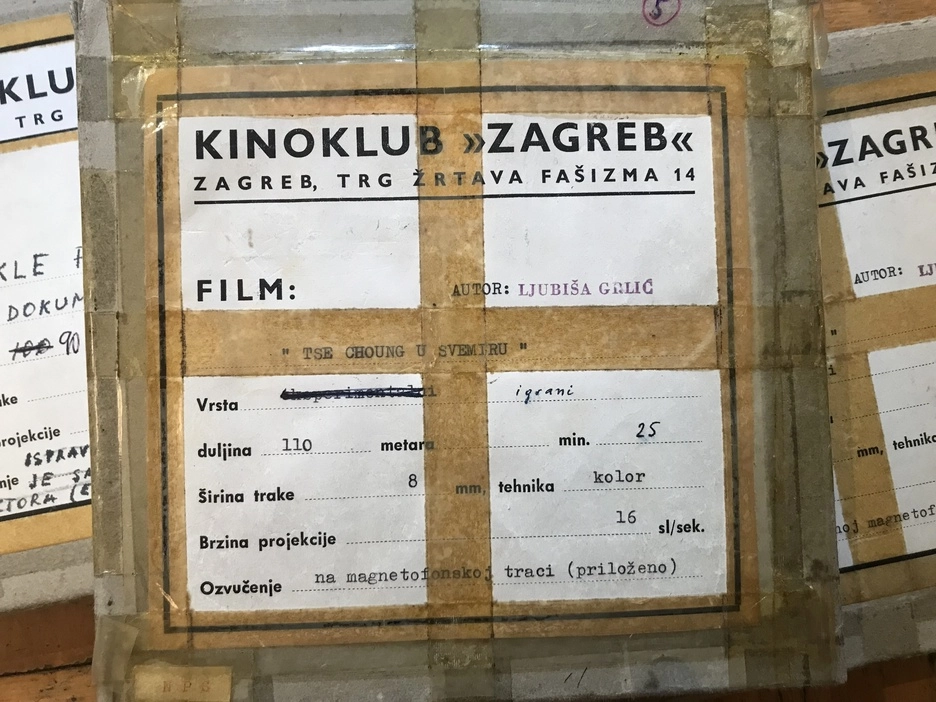
Popis restauriranih filmova
1. Fosili plivaju, 1958 – 8mm, 26', 100 metara, boja, magnetski ton
2. Odakle potječe droga, 1960 – 8mm, 20', 90 metara, boja, magnetski ton
3. Tse Choung u svemiru, 1961 – 8mm, 25', 110 metara, boja
4. Pretežno vedro, 1963 – 8mm, 3'10'', boja, bez zvuka
5. Susreti I, 1963 – 8mm, 7', boja, magnetski ton
6. Susreti II, 1963 – 8mm, 7', boja, magnetski ton
7. Sobovi, dragi sobovi, 1963 – 8mm, 3', boja, magnetski ton
8. Moto perpetuo, 1963 – 8mm, 3', c/b i boja, magnetski ton
9. Non, 1963 – 8mm, 6', boja, magnetski ton
10. Kanali i mostovi, 1963 – 8mm, 6', boja, magnetski ton
11. Vertikale, 1964 – 16mm, 9', 90 metara, c/b, magnetski ton
12. Donekle, 1965 – 8mm, 7'10'', c/b, magnetski ton
13. Luk i voda, 1965 – 8mm, 4'40'', boja, magnetski ton
14. Grozdana, 1966 – 16mm, 12', c/b, magnetski ton
15. Etimologija, 1966 – 8mm, 4', boja, magnetski ton
16. Sexy Movie, 1966 – 8mm, 3'40'', boja, magnetski ton
17. Film o raznim stvarima, 1968 – 8mm, 4', c/b, magnetski ton
18. Nestanak broda San Pedro, 1968 – 8mm, 6', boja, magnetski ton
19. Ubojstvo u Las Vegasu / Naked City, 1968 – 8mm, 7', c/b, magnetski ton
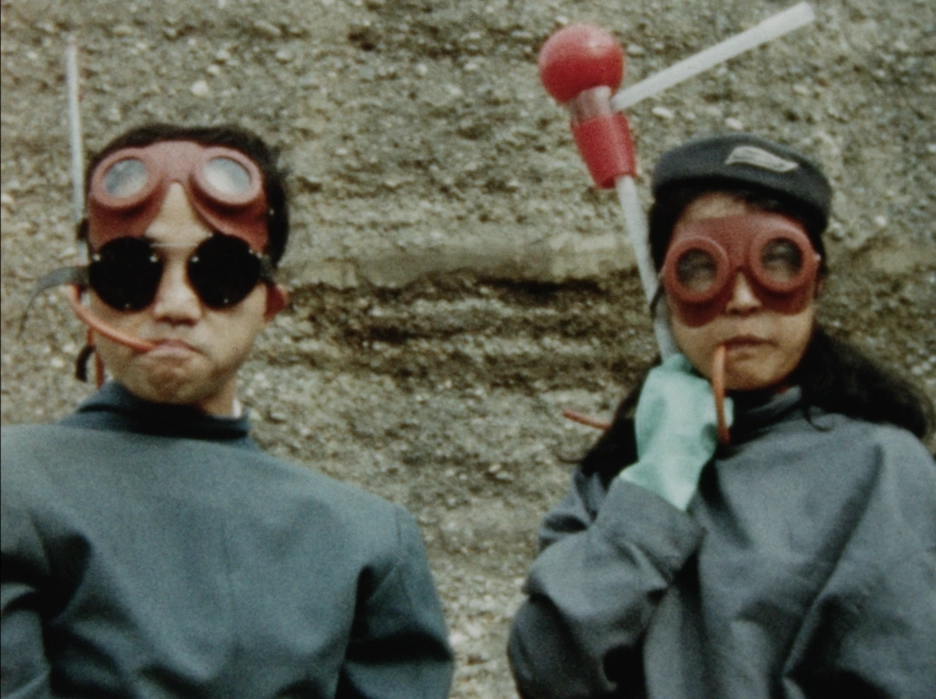
Fotogram iz filma Tse Choung u svemiru (1961). / Still from the film Tse Chound in Space (1961)
Projekt restauracije filmova Ljubiše Grlića financijski su podržali Hrvatski audiovizualni centar i Grad Zagreb.
Zahvaljujemo Olgi Grlić i donatorima na suradnji i podršci prilikom provedbe projekta.
The Digital Restoration of Ljubiša Grlić's Films
Ljubiša Grlić was one of the most formally significant filmmakers working in the field of experimental film at Kinoklub Zagreb (KKZ) during the 1960s. During this period, Grlić was a highly prominent and active figure, a regular participant in the Genre Film Festival, where he screened his films, and an exceptionally important member of KKZ's social life. Grlić was also one of the Masters of Yugoslav Amateur Film, a title awarded to amateur filmmakers who had won the greatest number of awards within the amateur film festival circuit.
By profession, Grlić was a pharmacist with an international career. As an expert in narcotics and halucinogenic drugs, he developed a unique method for distinguishing Mexican opium from other types of opium. He worked on the chromatographic detection of cannabis traces, served as a special consultant on marijuana at the Institute of Forensic Medicine at New York University, and as a scientific associate at the United Nations Narcotics Laboratory in Geneva, while in Zagreb he was employed at the Miroslav Krleža Institute of Lexicography.
As an amateur filmmaker, Grlić made 23 films between 1958 and 1970. It is also worth noting that Ljubiša Grlić was the uncle of Croatian film director Rajko Grlić, whom he encouraged to enter the world of cinema.
Grlić's films can be classified as structural films, found footage films (Reindeer, Dear Reindeer, 1963), conceptual films influenced by Fluxus (Film About Various Things, 1968; Etymology, 1966), and a local variation of psychodrama and trance film (Verticals, 1964). In this sense, his body of work is highly diverse, while the films that have survived share one fundamental characteristic: humour. Of particular significance are Grlić's first three films (Tse Choung in Space, 1961; Where Does Drug Come From?, 1960; Fossils Are Swimming, 1958), which were believed to have been lost.
Thanks to a donation by Olga Grlić, who in 2022 entrusted her father's film legacy to Kinoklub Zagreb, the restoration of the image and sound of a total of 19 film titles was initiated. The project was carried out in two phases between 2023 and 2025: the first phase focused on restoring the image from Normal 8 and 16mm film, while the second phase was dedicated to restoring the sound recorded on magnetic tapes. Image restoration was carried out by Lena Stötzel at the Austrian Film Museum (Vienna), while the sound was restored by Bojan Kondres at Light Shop / Digital Magic Studio (Zagreb). The Grlić film restoration project was led by Petra Belc Krnjaić.
The list of restored films
1. The Fossils Are Swimming, 1958 – 8mm, 26', 100 meters, color, magnetic sound
2. Where the Drugs Come From, 1960 – 8mm, 20', 90 meters, color, magnetic sound
3. Tse Choung In Space, 1961 – 8mm, 25', 110 meters, color, magnetic sound
4. Mostly Clear, 1963 – 8mm, 3'10'', color, no sound
5. Encounters I, 1963 – 8mm, 7', color, magnetic sound
6. Encounters II, 1963 – 8mm, 7', color, magnetic sound
7. Reindeer, dear Reindeer, 1963 – 8mm, 3', color, magnetic sound
8. Moto perpetuo, 1963 – 8mm, 3', b&w and color, magnetic sound
9. Non, 1963 – 8mm, 6', color, magnetic sound
10. Canals and Bridges, 1963 – 8mm, 6', color, magnetic sound
11. Verticals, 1964 – 16mm, 9', 90 meters, b&w, magnetic sound
12. Somewhat, 1965 – 8mm, 7'10'', b&w, magnetic sound
13. Go With The Flow (Onion and Water), 1965 – 8mm, 4'40'', color, magnetic sound
14. Grozdana, 1966 – 16mm, 12', b&w, magnetic sound
15. Etimologija, 1966 – 8mm, 4', color, magnetic sound
16. Sexy Movie, 1966 – 8mm, 3'40'', color, magnetic sound
17. Film About Various Things, 1968 – 8mm, 4', b&w, magnetic sound
18. The Disappearance of the San Pedro Ship, 1968 – 8mm, 6', color, magnetic sound
19. Murder in Las Vegas / Naked City, 1968 – 8mm, 7', b&w, magnetic sound
The restoration project of Ljubiša Grlić's films was financially supported by the Croatian Audiovisual Centre and the City of Zagreb.
We would like to thank Olga Grlić and the donors for their cooperation and support in carrying out the project.